Tag Archives: slideshow

Kruisin’ Through Kong Lo

Standard

Described by Lonely Planet as something out of “Star Trek,” the Kong Lo Cave is by far the coolest cave I have ever seen, and quite possibly, the coolest thing I saw in Laos.

Situated near Phu Hin Bun NPA in Central Laos, the 7.5-meter-long underground cave is accessible only by the motorized boats that travel beneath it, leaving you with a magical, albeit creepy, adventure through the dark.

To start, the journey to reach the cave is breathtaking in itself. Long bus rides drop you off in the middle of nowhere, where the only traveler support you have is a small row of guest houses situated in a tiny rural village less than a mile away from the cave entrance (i.e. no Internet, no ATMs). All around, endless green tobacco plants fill the fields, guarded by gigantic limestone cliffs (“karsts”), with only a handful of houses and bicycle-riding children breaking up a sense of overwhelming serenity.

Kong Lo Cave Village

Village outside of the Kong Lo Cave

The walk to the cave leads you through a small forest before reaching a sea-green river surrounded by more trees and karsts, which, aside from providing stunning scenery, holds the mouth of the cave.

At the edge of the forest, men playing a curling-type game and women selling snacks are eager to help you hire a boat. For about 50,000 kip ($6.30) a person, a boatman will lead you and up to two other people on a three-hour journey to explore the cave.

River Outside Kong Lo Cave

River Outside Kong Lo Cave

I took the tour with my new friend Ritesh, a man from Bangalore, India I met on the seven-hour long bus journey from Vientiane. And let me say, the cave was quite an adventure.

Entering into the mouth of the cave, things immediately get nearly pitch black, with the only light you have coming from your flashlight or headlight. As you cruise underground, sometimes stopping to carry the boat over shallow rocks, crazy-looking stalagmites and stalactites come into view, breaking up seemingly smooth cave walls all around. While I’m not “Trekkie” enough to vouch for the Star Trek reference, I will say half the time I was expecting Gollum to pop out from around the corner, or maybe a cursed locket

At one point, the boatman stopped so we could explore some of the cave on foot, and that’s when the really beautiful formations came into view. Icicle-looking stalactites dripped from the ceiling, while mini-sky scrapers came up from the ground, some connecting to all the way through from the top. At one point, I even found a “Michigan”-looking stalagmite, though in reverse.

Michigan Stalagmite

"I'm from here"

After about an hour or so, we saw a beacon of light ahead, “at the end of the tunnel,” if you will. Soon we found ourselves at the exit of the cave, floating along between more limestone karsts, green trees and water buffalo, where we had a quick rest, before plunging back into the dark.

While the ride back seemed quicker than the first ride, there’s something about cruising underground in a boat through the dark that is just exhilarating. For some reason, all I could think of was that I wished I had brought my iPod so I could play the Phantom of the Opera soundtrack.

I think next time I will ;).
This slideshow requires JavaScript.

Scenes from Luang Prabang

Standard

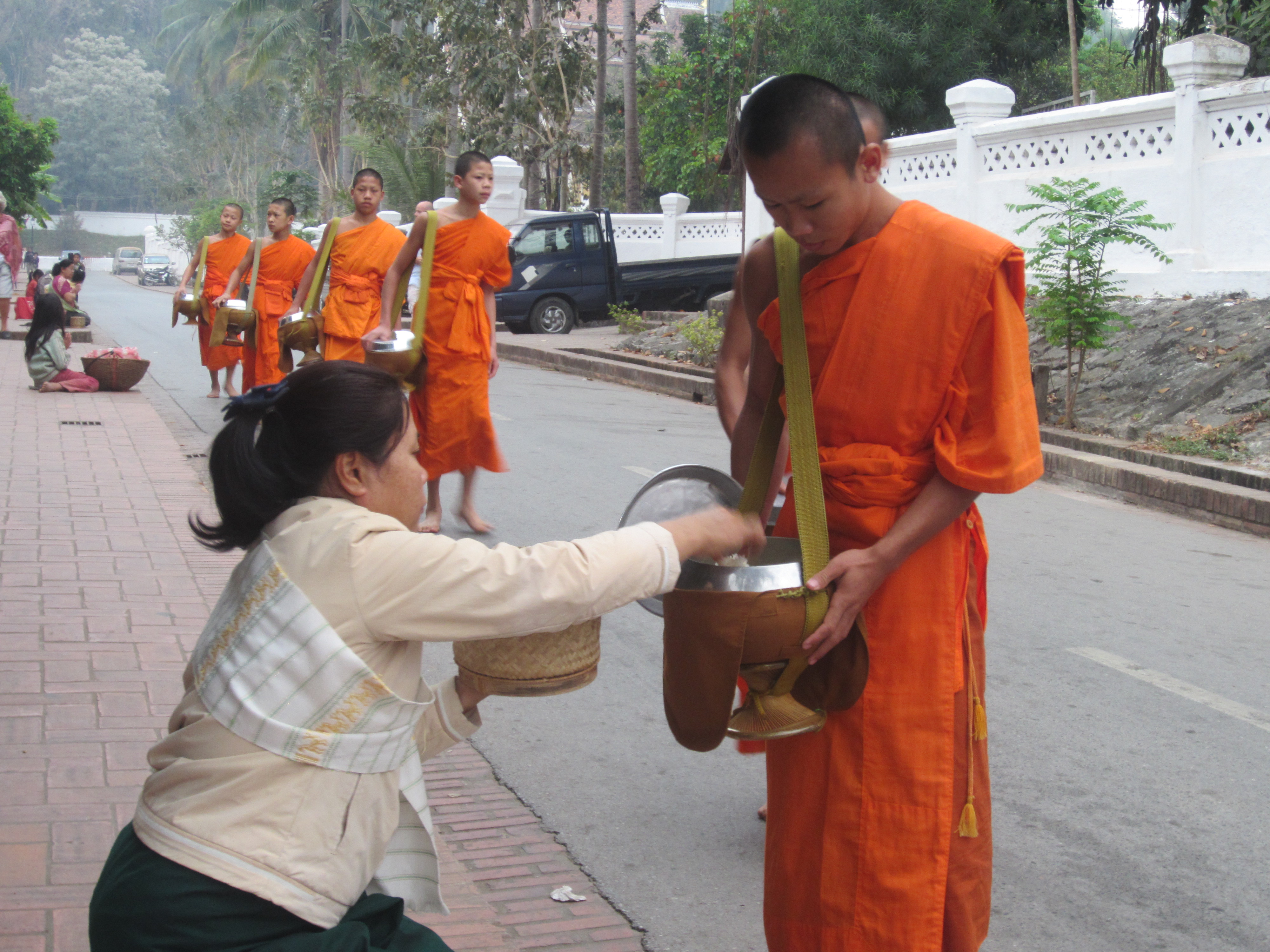
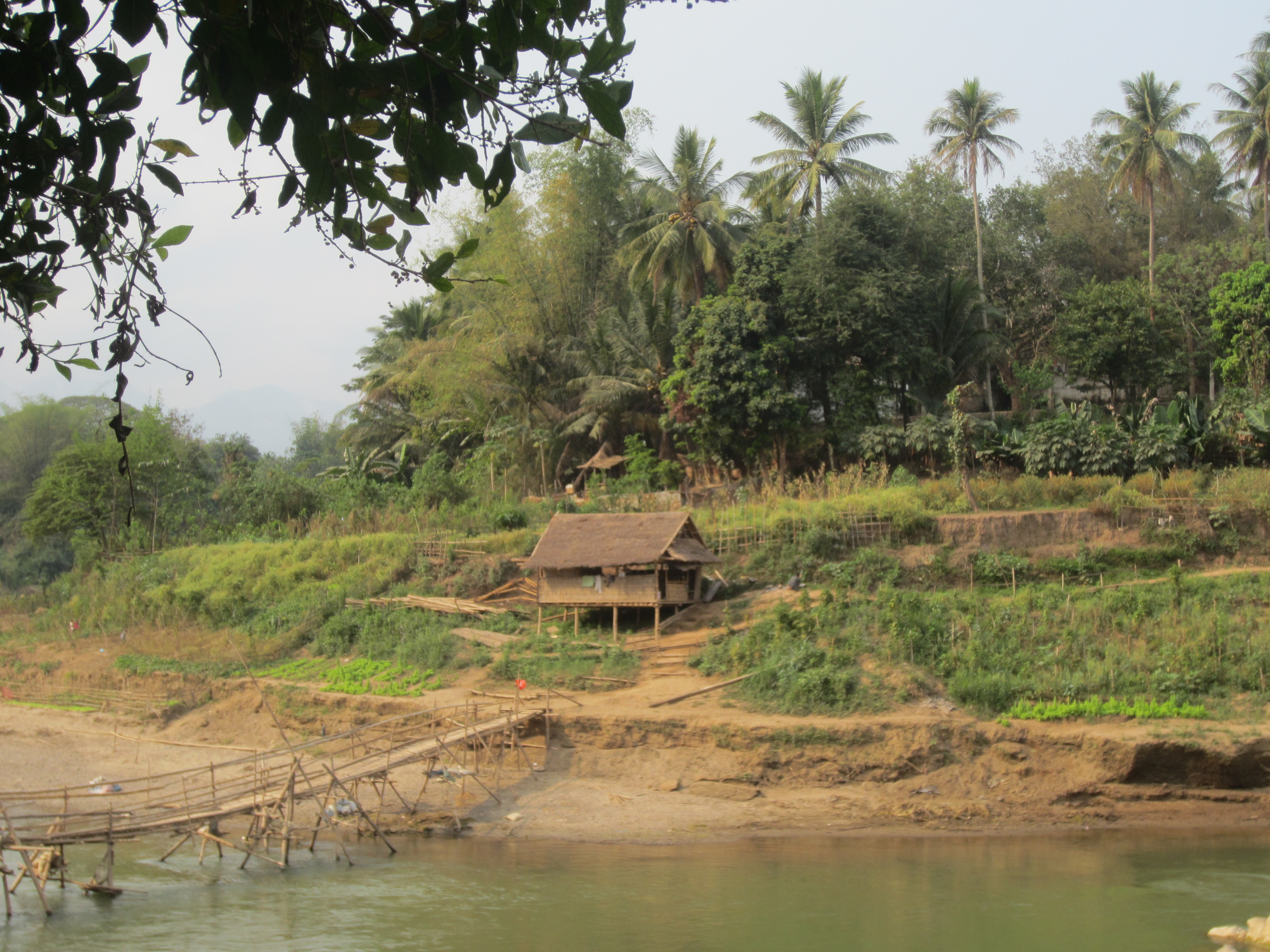
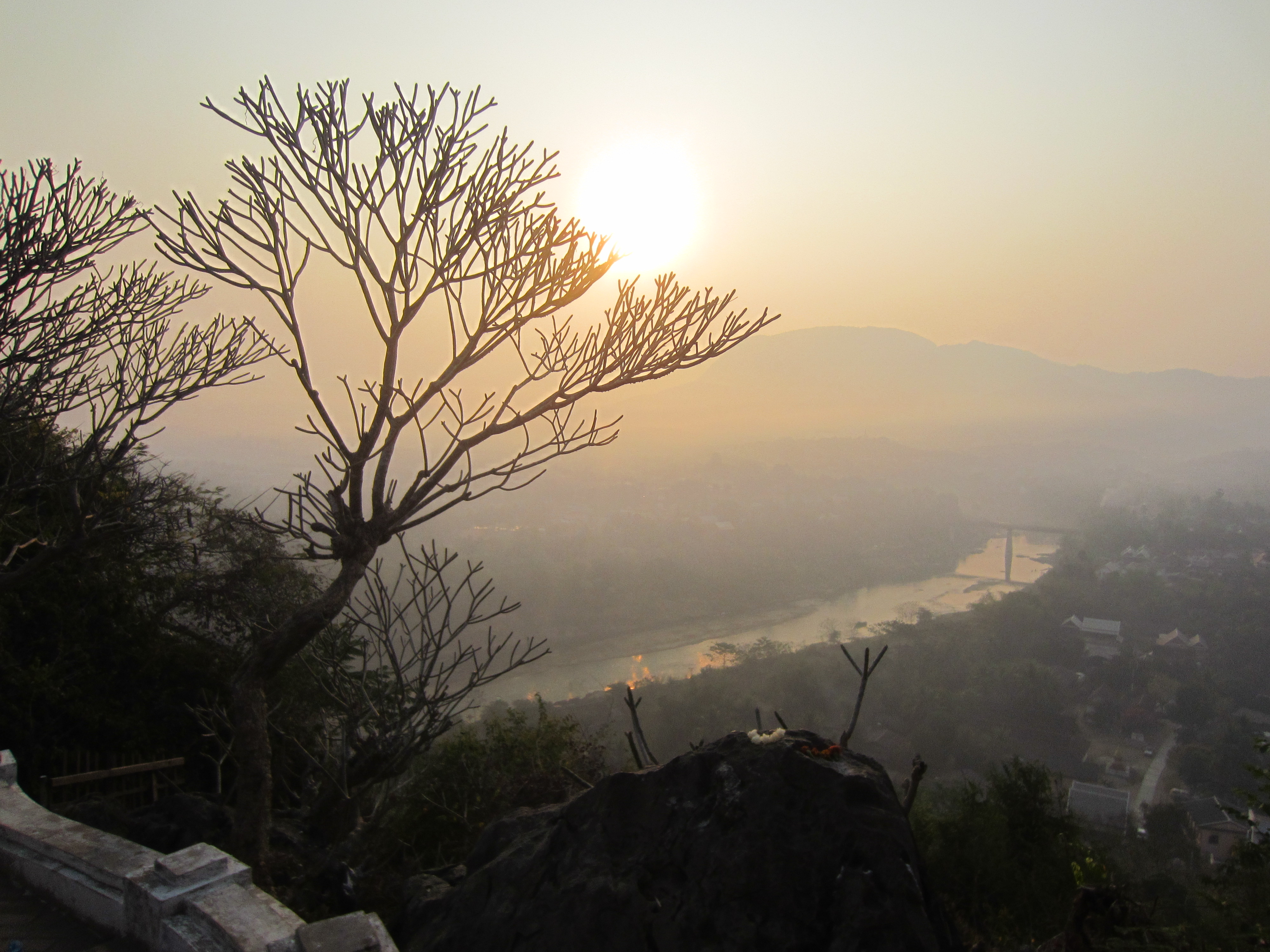
Framed by both the Mekong and Nam Khan rivers, Luang Prabang is full of picturesque river views, in addition to its quaint streets and beautiful Buddhist temples. In my five days there I thoroughly enjoyed myself, rising early to watch the monks collecting food alms at 6 a.m. or climbing up 100 meters to the Phu Si temple to catch the sunrise. Just renting a bicycle and cycling around the town was relaxing, while stumbling upon a charming bamboo bridge and discovering the quiet Laos village across the river was one of the highlights of my trip.

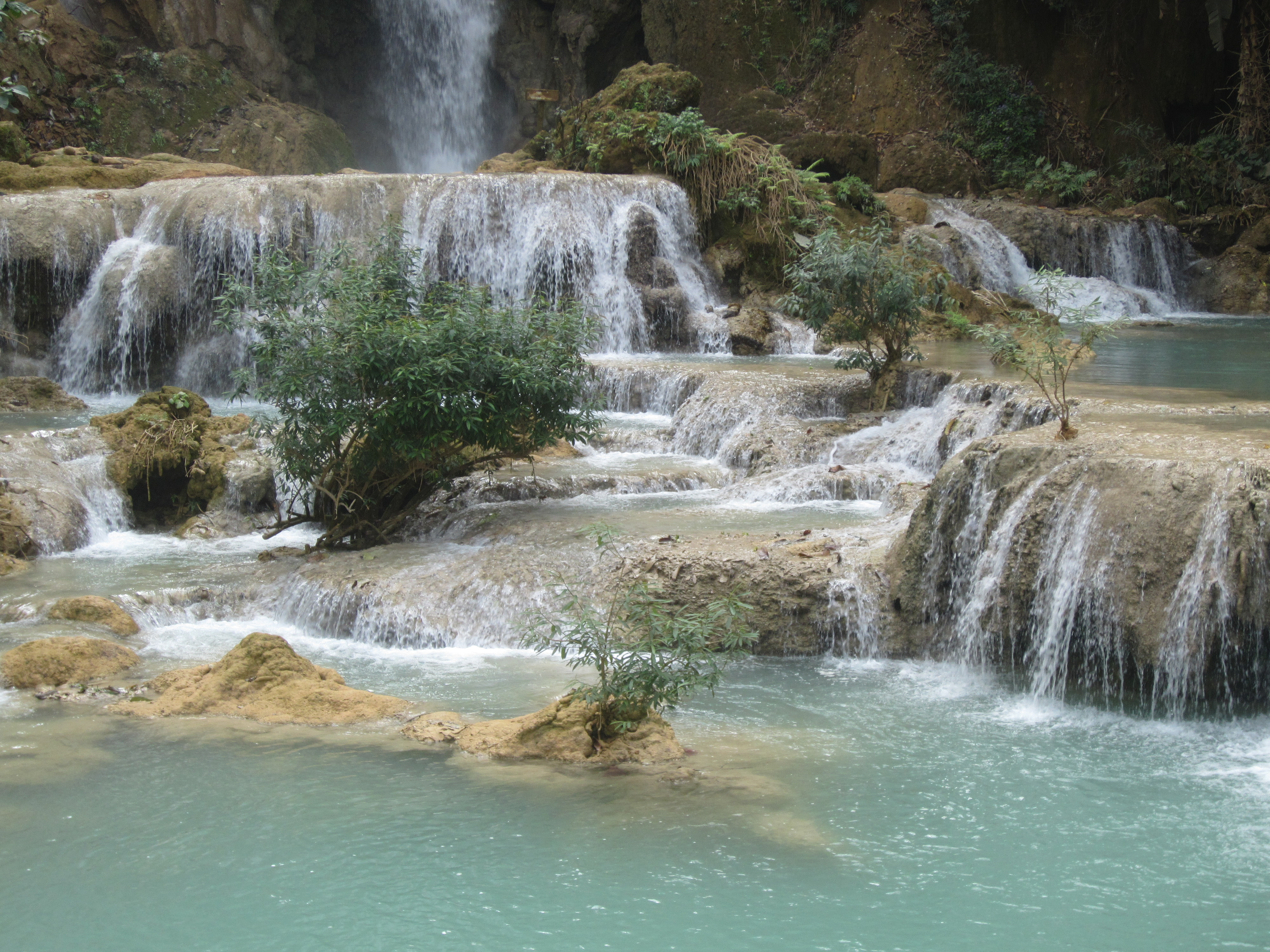
Luang Prabang also has some great day sights outside the city, including the cascading, mint-green Tat Kuang Si waterfalls or the Pak Ou caves, where breathtaking limestone cliffs surround a cave full of Buddha statues.

I think Luang Prabang, however, is best described in pictures :).

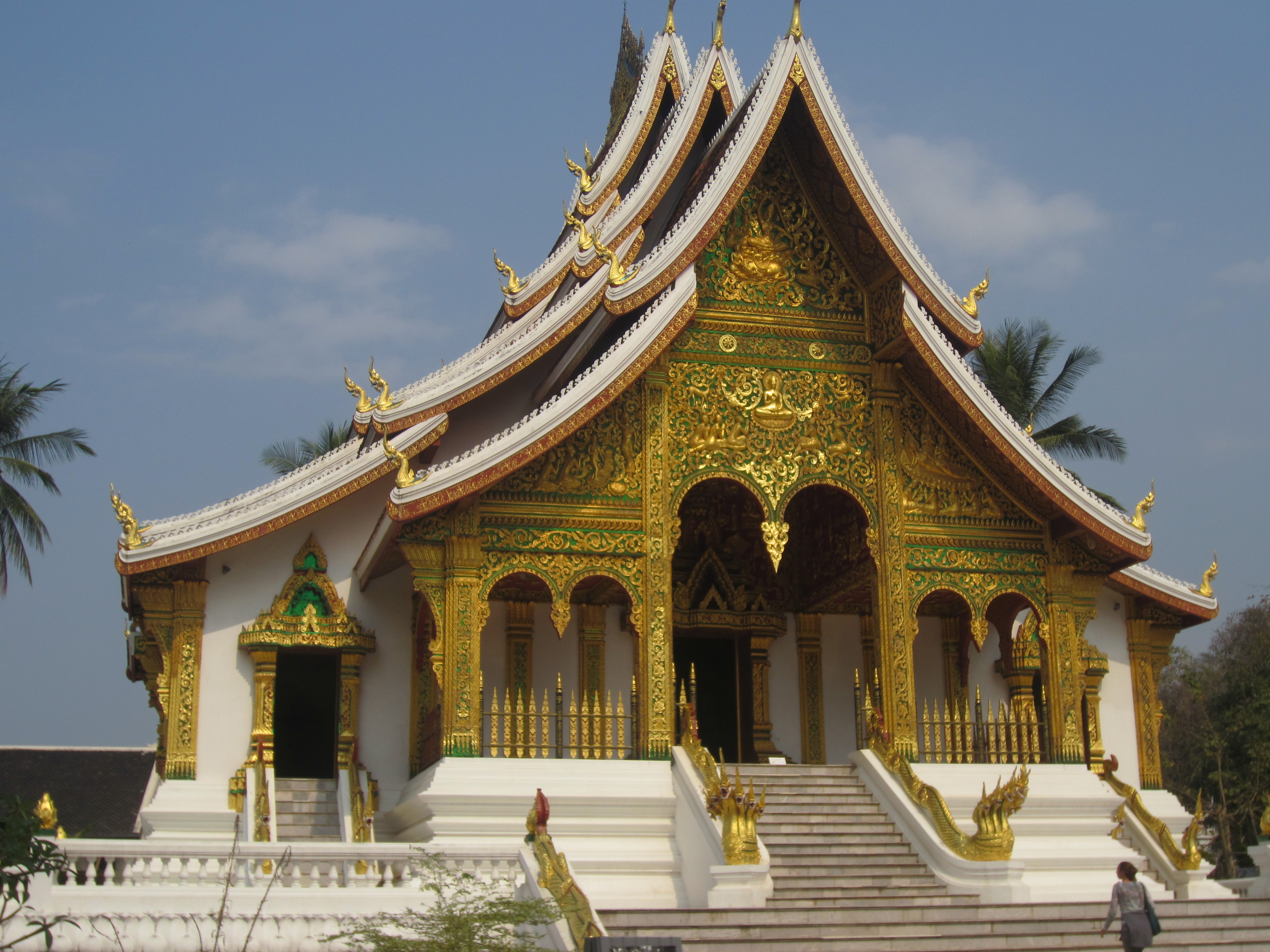
The temple outside the Royal Palace Museum, a representation of traditional Laos temple architecture

Monks Collecting Alms

Monks collecting alms early in the morning

Tat Kuang Si Waterfalls

A section of the Tat Kuang Si cascading waterfalls

North end of Luang Prabang

View of the north end of Luang Prabang from across the river

Phu Si Sunrise

Sunrise from the Phu Si Temple

Pak Ou Boats

Boats near the Pak Ou caves

Laos Village

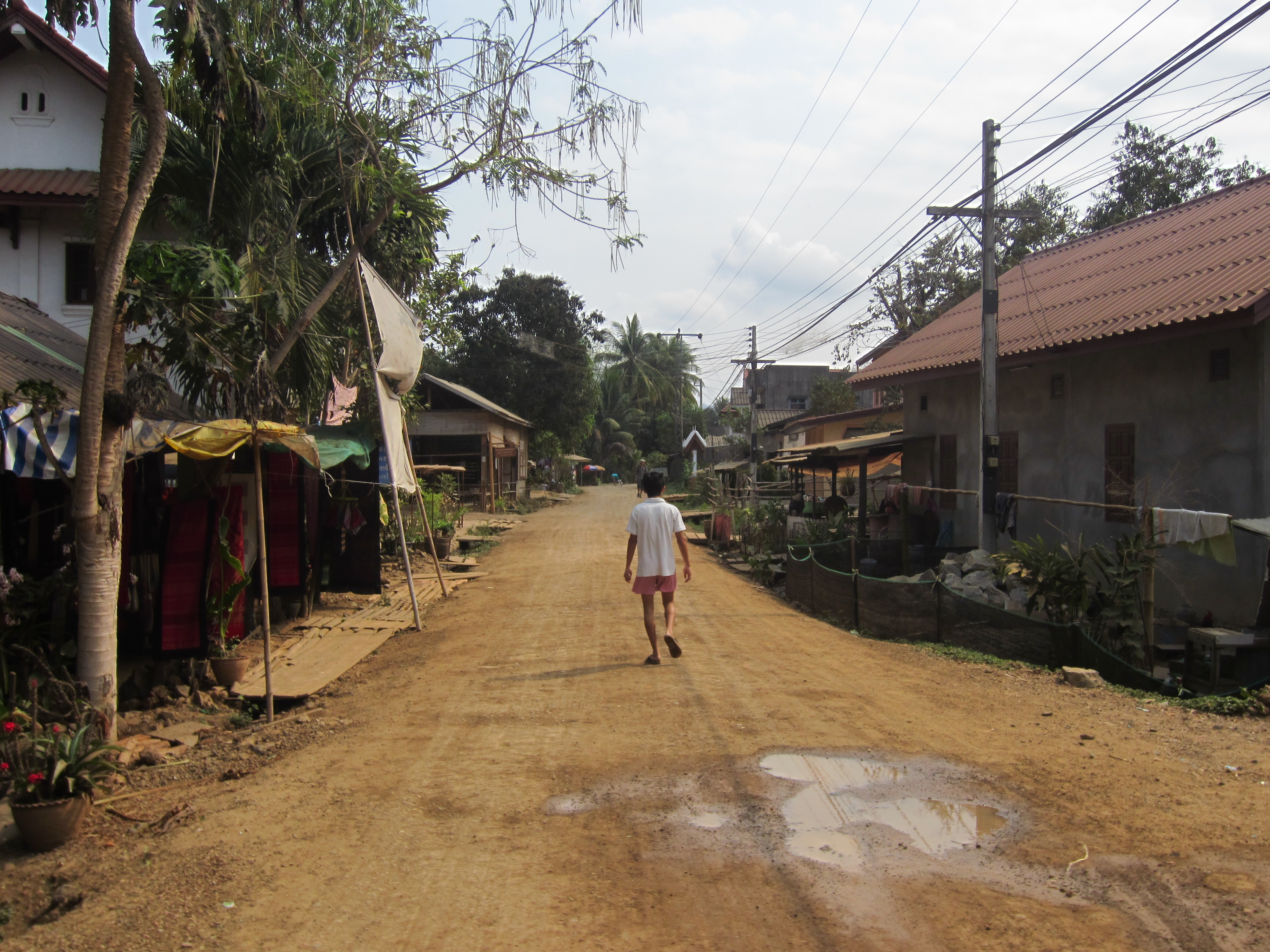
Street scene from a small village outside Luang Prabang

This slideshow requires JavaScript.

Cambodia and Vietnam: Part 5

Standard

The last two days of our trip were spent exploring places outside of Saigon. Unfortunately, I was so congested and miserable at this point that I really just wanted to go back to Kuala Lumpur to get some fresh air (that should put the pollution in perspective for you). Luckily for me, the day trips (at least one of them) ended up being worth the less-than-ideal traveling conditions.

Our first day trip was a packaged tour to visit the Cao Dai Temple and the Cu Chi Tunnels, two unrelated, yet equally fascinating destinations I knew very little about. Unfortunately, our guide was terrible. He could barely speak English but insisted on talking incessantly with the high-strung enthusiasm of a small bird (that I wanted to squash). Also unfortunately, neither the temple nor the tunnels had much to read about on location, so we were pretty dependent on our guide for information. (Thank goodness for guidebooks, the Internet and fellow travelers…).

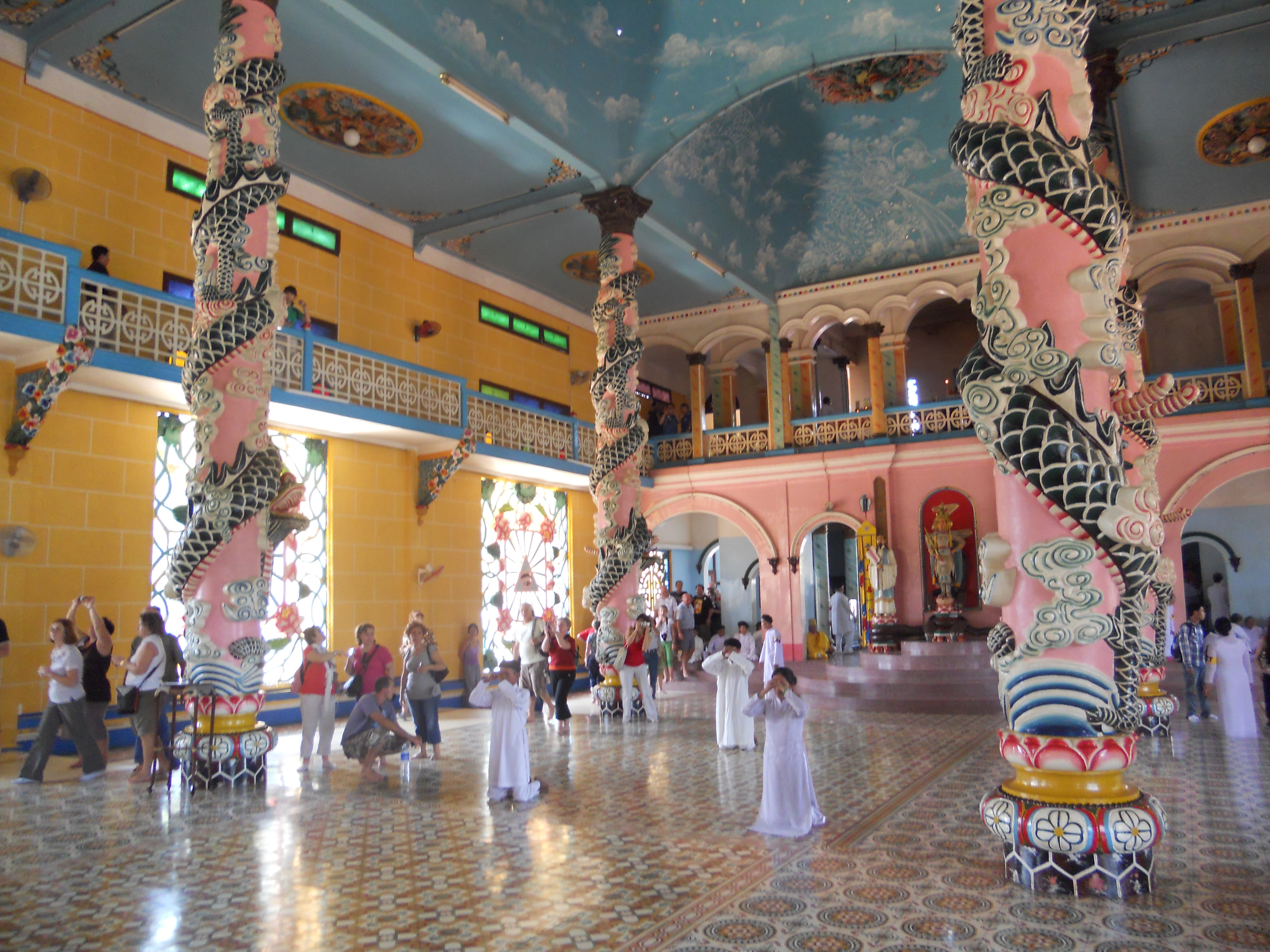
Inside of Cao Dai Temple

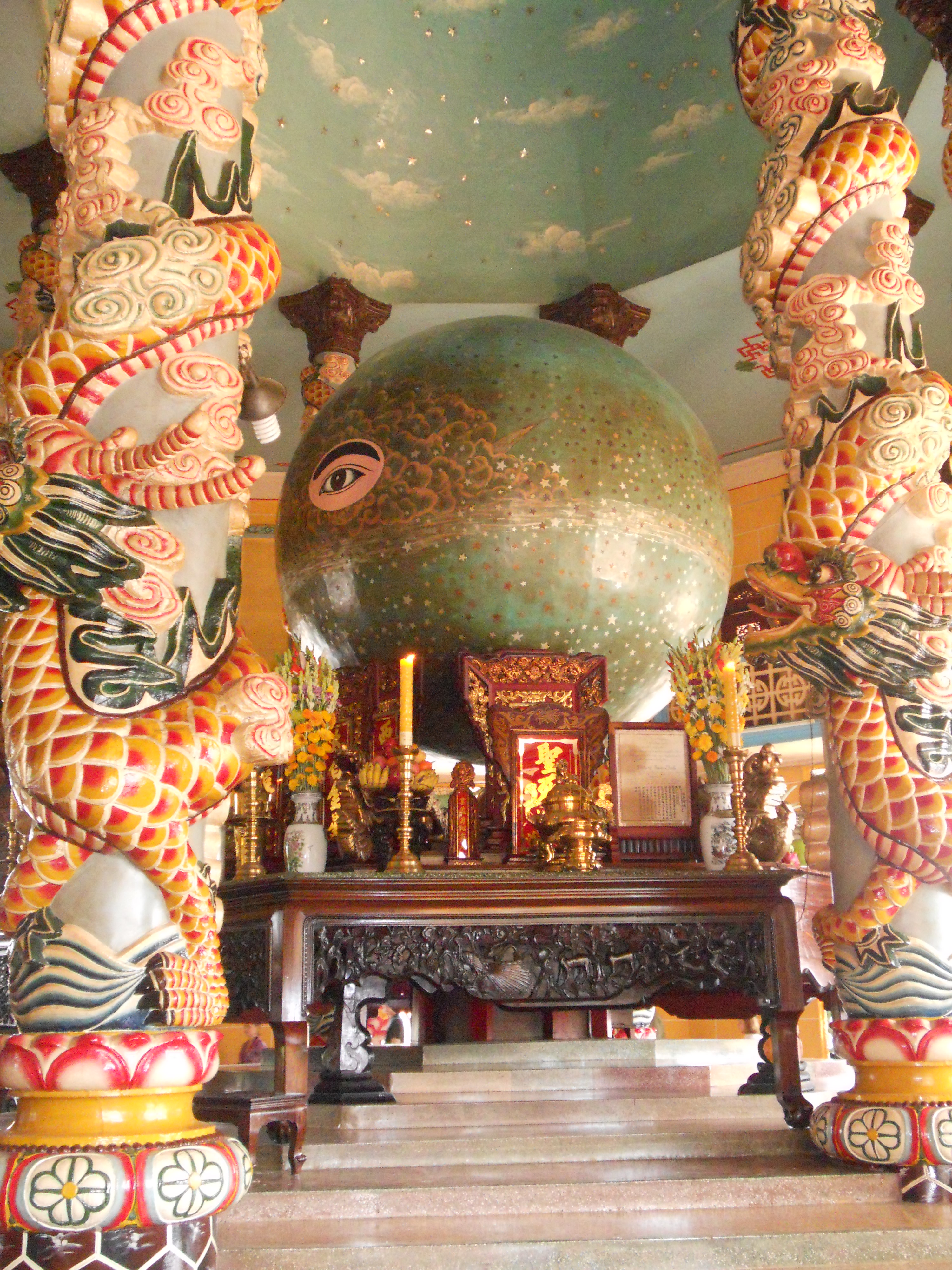
The Cao Dai Temple was unlike anything I have ever seen before. Upon walking inside, I felt like I was entering into a Dan Brown novel. The whole building is huge and colorful with bright pink and yellow walls, a ceiling painted to look like a mystical blue sky and columns with bright, cartoonish dragons encircling them. What was most fascinating, albeit creepy, however, was that the whole thing is covered in EYES! Yes, eyes! Specifically, the temple is covered in individual left eyes that seem to be watching over everything and, apparently, represent the all-seeing eye of God. In the back of the temple is also a massive orb with a huge eye in the front of it.

Orb inside the Cao Dai Temple

If the building in itself wasn’t interesting enough, the worshippers themselves definitely were. Nearly all the men and women were dressed in pure white garments, though some of the men had more elaborate outfits in bright blue, yellow or red accompanied by tall hats with eyes on them. The men and women were separated from each other on either side of the temple and entered in straight corresponding lines with the colorful men first followed by everyone else according to rank. They then proceeded to sit down on their knees and perform a combination of chants and bows.

At this point, I was so confused. I had thought this was going to be a Buddhist temple but this was completely different than anything I’d ever seen, and I had been unable to decode the incoherent babbling of our guide. Apparently, Cao Daism is a monotheistic religion that is a mystic COMBINATION of Buddhism, Taoism, Catholicism, Hinduism, Confucianism and Islam and, as far as I know, is the only one of its kind in the world (though it has an international following). Like the Catholic Church, the religion has a hierarchical structure, including priests, bishops and a pope. Like Eastern religions, they believe in reincarnation, karma, ancestor worship and strive for the eventual attainment of nirvana like the Buddha. I found the entire thing unbelievably fascinating and plan to research it a lot more soon.

This slideshow requires JavaScript.

After the temple, we headed out to the trip’s main destination: the Cu Chi Tunnels. The Cu Chi Tunnels were part of a massive tunnel network throughout Vietnam used by the Viet Cong to win the Vietnam War. The whole system was quite complex, consisting of several layers of tunnels on top of one another full of trap doors, booby traps and airtight seals that allowed them to go undetected by the South and the Americans for a long time. Some of the tunnels were built right underneath American military bases, leaving them puzzled how the Viet Cong could so easily attack them. Apparently, the tunnels were like mini-cities, full of hospitals, schools and dormitories that allowed the Viet Cong to stay under for days (though the conditions were miserable).

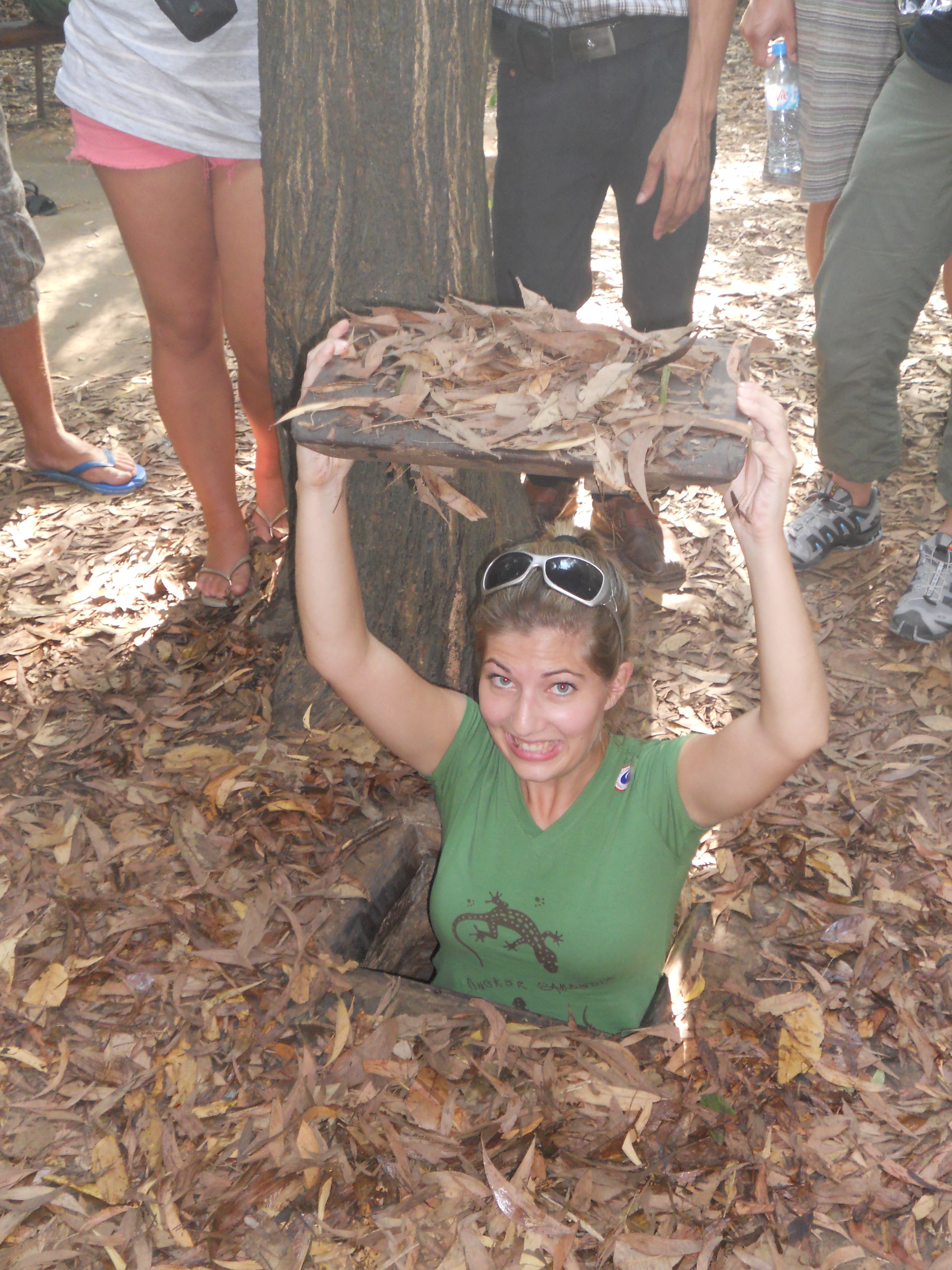
Me inside a foxhole at the Cu Chi Tunnels

Unfortunately, the site had very little information available to read, and we were, again, woefully dependent on the “expertise” of our guide. The site is also full of more anti-American propaganda, and I distinctly remember hearing the words “those crazy American devils” in the introductory video. However, the cool thing about the site is that you actually get to go into some of the tunnels and explore. Like most of my group, I decided I would walk through the long tunnel open for tourists that ran throughout the site. It wasn’t until two minutes in when we were crouching underground in the dim light with increasingly thick air that I realized how claustrophobic I was and started to panic. All I kept thinking and saying was, “Where is the exit? I have to get out!” Luckily, there were escape stairs available periodically throughout the tunnel, and I ran out the first chance I could. I’m glad I did, because you apparently have to crawl on your stomach at one point, because the space is so small. What boggles me is that some of these tunnels have been EXPANDED to accommodate tourists, who, I guess, are mostly bigger than the Vietnamese. At any size, I can’t imagine anyone staying down in those tunnels for more than a few minutes, let alone a few days. The tunnels we saw were paved and lit, but when they were actually used they were full of insects and snakes. I also read that the Viet Cong would often put dead bodies in the tunnels to deceive the Americans and, therefore, they often smelled like rotting flesh. I cringe at the thought…

As interesting as our first day trip was, our second day trip to the Mekong Delta was unremarkable, mostly involving a boat ride along the river and a bunch of super-tourist destinations where you watch them make honey and coconut candy. Nothing life-changing there.

Thus concluded my Chinese New Year trip :).

Thailand Part 2: Ayutthaya

Standard

So after our stay in Bangkok, Josh and I hopped on the train for a day-trip to Ayutthaya, Thailand’s fallen kingdom that dominated the region from 1350 to 1767. Originally I was a bit hesitant to go there, since I hadn’t heard much about it and was not that interested in seeing old ruins, but I am so glad that I did!

Ayutthaya just might be my favorite city in Thailand. It had the feel of a quaint, friendly small town that just happened to be covered with old ruins. In a welcome contrast from Bangkok, our guest house was friendly, charming and had hot water!  And despite having some of the country’s most interesting sites (in my opinion) it wasn’t yet destroyed by tourists.

Wat Phra Mahathat

One of the best ways to explore Ayutthaya is by bicycle, which can be rented cheaply at any of the shops around town, and we found them to be in pretty good condition. You just bike around the city and you’ll see ruins everywhere, and the best part is, you can go right in and walk all over them! You could spend days exploring all of them, but honestly, many of the ruins looked quite similar to me. When the Burmese took over the kingdom in the 1700s they burned and destroyed everything. What remains today are crumbling piles of bricks and chedis (big bell-looking things) that still hold some of the majesty and glory of their golden days.

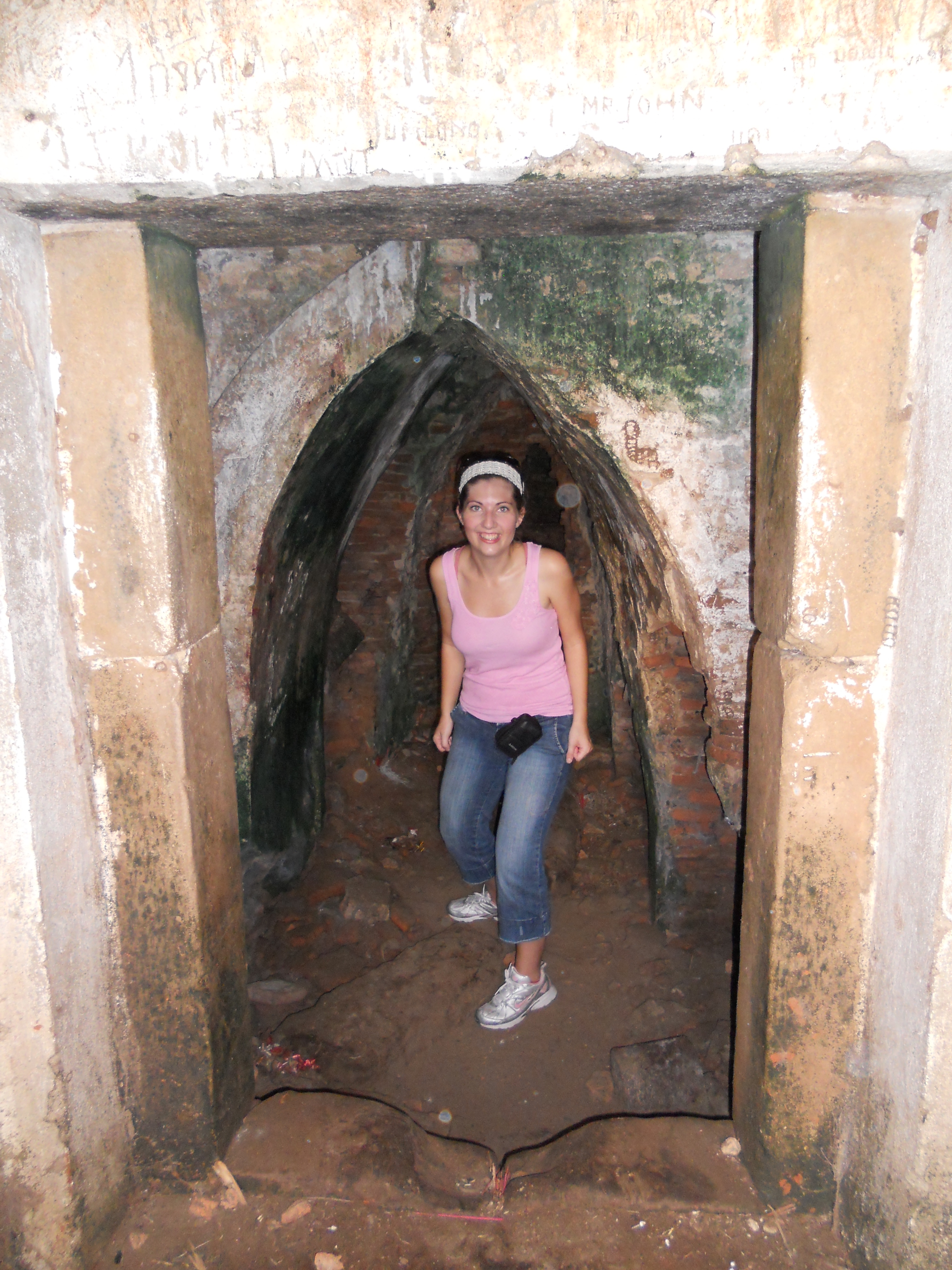
Inside one of the chedis of Wat Phra Si Sanphet. Holding my breath, but smiling :).

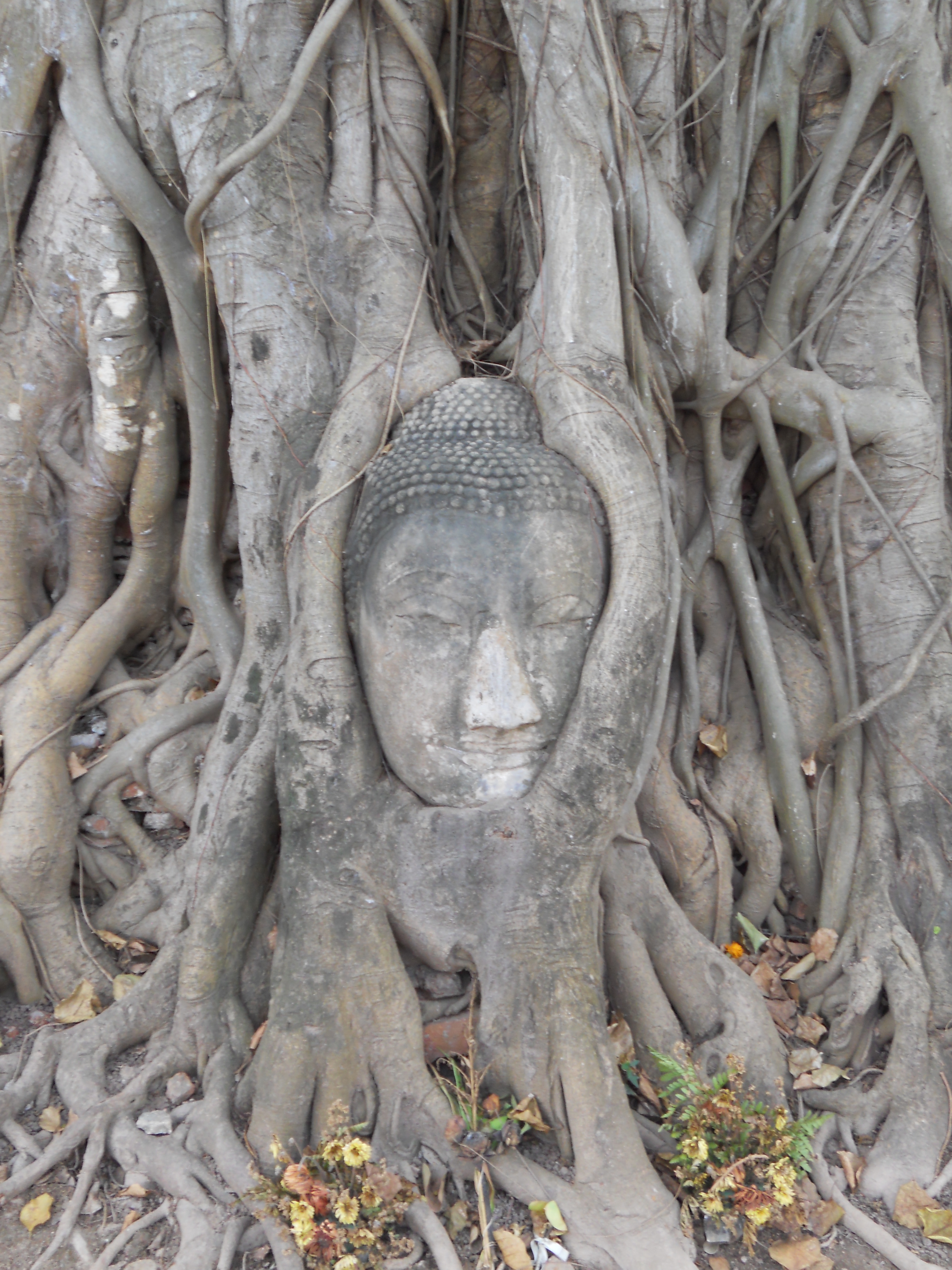
In the interest of saving time, Josh and I just selected a few of the main ones. Our first stop was Wat Phra Mahathat, a beautiful temple with iconic images such as a peaceful Buddha face surrounded by tree roots that just happened to grow around it. Next was Wihan Phra Mongkhon Bophit, home of Thailand’s largest seated Buddha (yet another awe-inspiring moment) and next door to Wat Phra Si Sanphet, the former site of the ancient royal palace when it was located in Ayutthaya. This palace/temple has three massive chedis that hold the ashes of former kings. One of chedis had this little entryway in it, and though I tried to convince Josh to join me to check out the inside, he refused (something about not wanting rabies, whatever). Luckily, I found some braver tourists around to join me and managed to enter into the little dirt hole long enough to grab a photo, ignoring the creepy-crawly noises around me and the overwhelming smell of excrement.

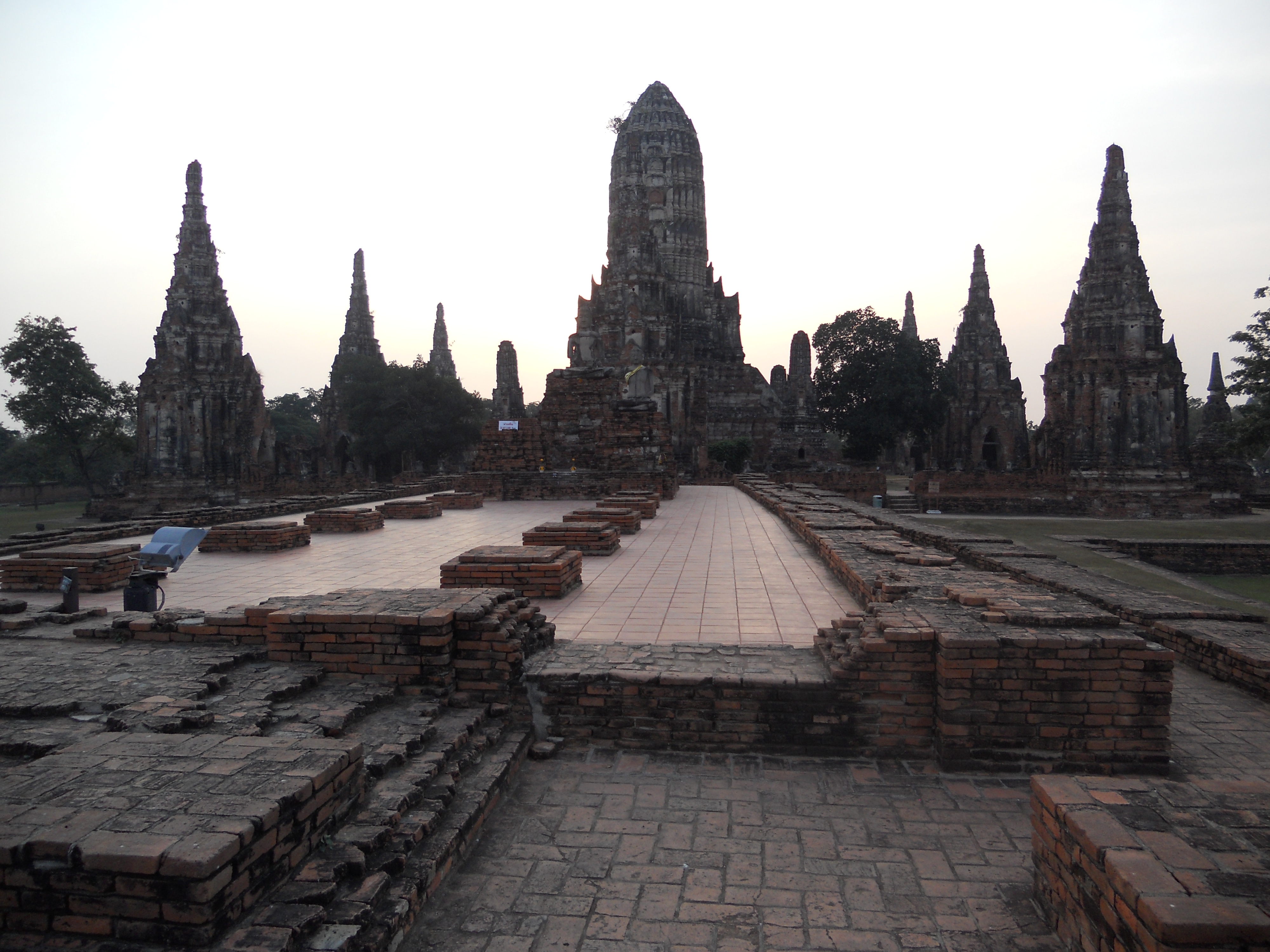
Wat Chai Wattanaram

Later that day, Josh and I joined some other travelers at our guest house for a boat tour of some of the ruins off the island. This was pretty fun. Our non-English speaking guide drove us around this long, canoe-like boat and dropped us off at random places with virtually no explanation, simply saying “20 minutes.” Luckily, we managed to find Wat Phanan Choeng, home of another MASSIVE Buddha, Wat Yai Chai Mongkol, a smaller, less impressive temple with an old chedi, and Wat Chai Wattanaram, the most picturesque of them all. Wat Chai Wattanaram was absolutely gorgeous. Of all the ruins we’d seen, this one seemed the most intact, the most symmetric and was, surprisingly, sparsely populated with tourists. We were there around sunset and the whole thing made just a beautiful silhouette against the sky. It was a great way to end our tour. Next stop, Kanchanaburi!

This slideshow requires JavaScript.